
How to Position a Fashion Brand as Premium

Positioning a fashion brand as premium goes beyond simply raising prices or using luxurious visuals. True premium positioning requires creating a consistent perception of value that runs through every part of the brand. This means aligning product quality, storytelling, customer experience, and pricing to build a strong, authentic premium image. For fashion founders and emerging labels aiming to move their brand into a higher market segment, understanding how to build a premium fashion brand is essential to long-term success.
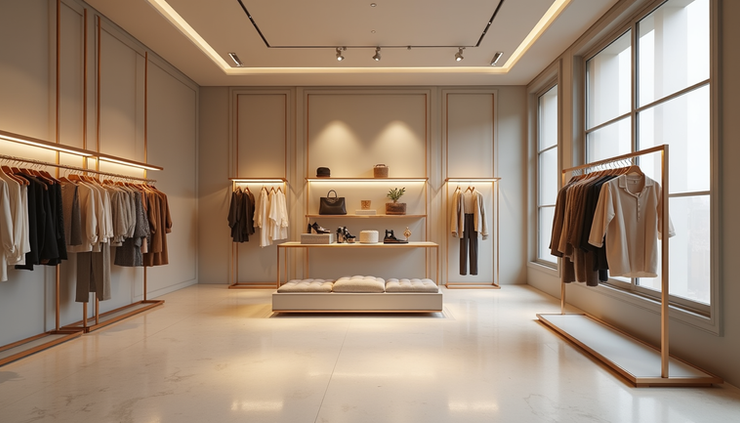
What Does Premium Positioning Mean for a Fashion Brand?
Premium positioning means your brand is perceived as offering superior value that justifies a higher price point. This is different from simply being expensive. A premium fashion brand creates a sense of exclusivity, quality, and desirability that resonates with its target audience. It is about the overall experience and the story behind the product, not just the price tag.
For example, a brand that uses rare materials, skilled craftsmanship, and thoughtful design can command premium positioning. On the other hand, a brand that raises prices without adding real value risks being seen as overpriced rather than premium. Premium positioning for fashion brands is about building trust and emotional connection with customers who appreciate what makes the brand unique.
Start With a Clear Reason for Being Premium
To position your fashion brand as premium, you need a genuine reason behind it. This reason could be:
Exceptional design that stands out in the market
High-quality materials sourced responsibly
Skilled craftsmanship that ensures durability and detail
Expertise or heritage that adds credibility
Unique customer experience or innovation
Without a clear value proposition, premium positioning will feel hollow. Customers can quickly spot when a brand tries to appear premium without substance. For example, a label that highlights hand-stitched details or uses rare fabrics can justify its premium status more convincingly than one that only changes its logo or packaging.
Define the Customer You Want to Attract
Premium fashion brand positioning depends heavily on understanding who your ideal customer is and what they value. Premium customers often look for:
Quality and durability
Unique design or exclusivity
Ethical and sustainable production
A brand story they can connect with
Exceptional service and experience
Knowing your audience helps you tailor every aspect of your brand, from product development to marketing messages. For instance, a premium brand targeting eco-conscious consumers should emphasize sustainable materials and transparent sourcing. Defining your customer also helps avoid trying to appeal to everyone, which dilutes your premium positioning.
Build Perceived Value Around the Product
The perceived value of your product shapes how customers judge its worth. To build this perception, focus on:
Presentation: Use elegant packaging and displays that reflect quality
Storytelling: Share the inspiration, craftsmanship, and care behind each item
Materials: Highlight premium fabrics and components
Quality: Ensure every product meets high standards with attention to detail
For example, a brand that tells the story of artisans handcrafting each piece creates emotional value beyond the physical product. This storytelling combined with visible quality cues helps customers feel confident paying a premium price.
Create a Brand Identity That Supports Your Position
Consistency is key when you position your fashion brand as premium. Your visual identity, photography style, packaging, language, and communication must all reinforce the premium message. This means:
Using a refined color palette and typography
Choosing photography that highlights texture and detail
Designing packaging that feels luxurious and thoughtful
Writing copy that reflects sophistication without being pretentious
A cohesive brand identity builds trust and recognition. For example, a premium brand might use matte black packaging with embossed logos and minimalistic product photos that focus on fabric texture. Every touchpoint should feel intentional and aligned with the premium positioning.

Price According to Value, Not Just Cost
Pricing should reflect the overall value your brand offers, not just production costs or competitor prices. Premium pricing signals quality and exclusivity but must be supported by real value. When setting prices, consider:
The craftsmanship and materials used
The brand story and customer experience
Market positioning and customer willingness to pay
Long-term brand equity rather than short-term sales
For example, a brand that invests in sustainable sourcing and artisan production can justify higher prices because customers perceive these factors as valuable. Pricing too low can undermine premium positioning, while pricing too high without added value can alienate customers.
Deliver a Consistent Premium Experience
Premium positioning extends beyond the product to every interaction a customer has with your brand. This includes:
Customer service that is attentive, knowledgeable, and personalized
Packaging that feels special and protects the product
A seamless digital experience on your website and apps
Thoughtful post-purchase communication such as care tips and follow-ups
A consistent premium experience builds loyalty and encourages repeat purchases. For example, a brand that offers personalized styling advice or beautifully packaged deliveries creates a memorable experience that supports its premium status.
Common Mistakes When Positioning a Fashion Brand as Premium
Many brands fail to position themselves as premium because they:
Copy luxury aesthetics without adding real value
Increase prices without improving quality or experience
Deliver inconsistent customer experiences that confuse buyers
Avoid these pitfalls by focusing on authenticity and consistency. Premium fashion brand strategy requires patience and attention to detail across all brand elements.
Position your fashion brand as premium by building genuine value, understanding your audience, and delivering a consistent experience. This approach creates lasting perception and loyalty that goes beyond price or visuals alone. Start by defining what makes your brand truly premium and let that guide every decision you make.



Comments