
The Psychology Behind Strong Brand Design
- Rahul Samuel
- 5 days ago
- 4 min read

People form opinions about brands within seconds. That split-second judgment often determines whether they trust a company, remember its name, or decide to buy its products. This rapid evaluation is not random. It is shaped by strategic design choices that influence perception and decision-making. Understanding the psychology behind strong brand design helps business owners create visual branding that builds trust, recognition, and emotional connection.
Understanding Design Psychology
Design psychology studies how visual elements affect human thoughts, feelings, and behaviors. When applied to brand design, it explains why certain colors, shapes, and typography evoke specific reactions. For example, a bold, angular logo might communicate strength and reliability, while soft curves and pastel colors suggest friendliness and approachability.
Design psychology goes beyond aesthetics. It uses research on human perception and cognition to craft brand identities that resonate with target audiences. This approach ensures that every design element supports the brand’s message and business goals.
The Science Behind First Impressions
First impressions form quickly—often within 50 milliseconds. During this brief moment, people assess visual cues to decide if a brand feels credible and relevant. This process is largely subconscious but powerful.
Studies show that consistent, well-designed visual branding increases perceived professionalism and trustworthiness. A cluttered or inconsistent design can create doubt, even if the product or service is excellent. That means investing in strategic brand design is essential for making a strong first impression that encourages customers to engage further.

How Colors, Typography, and Shapes Influence Perception
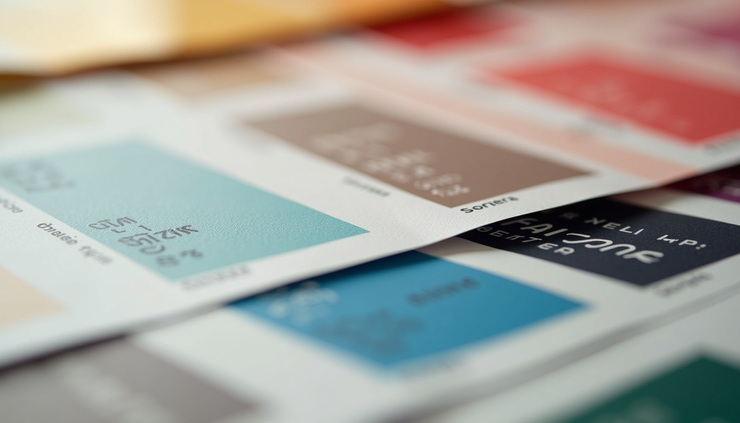
Color psychology plays a major role in brand design psychology. Different colors trigger different emotions and associations:
Blue often conveys trust, calm, and professionalism.
Red can evoke excitement, urgency, or passion.
Green suggests growth, health, and sustainability.
Yellow feels optimistic and energetic.
Typography also shapes brand perception. Serif fonts tend to feel traditional and trustworthy, while sans-serif fonts appear modern and clean. Script fonts can add elegance or creativity but may reduce readability if overused.
Shapes and lines influence how a brand is perceived. Rounded shapes feel friendly and approachable. Sharp angles communicate strength and innovation. The combination of these elements creates a visual identity that speaks to the brand’s personality and values.
The Role of Consistency in Building Trust
Consistency in visual branding builds familiarity and trust over time. When customers see the same colors, fonts, and logo style across all touchpoints, they develop a sense of reliability. This consistency reduces cognitive load, making it easier for customers to recognize and remember the brand.
Inconsistent design, on the other hand, confuses customers and weakens brand perception. For example, using different logos or color schemes on a website, social media, and packaging can make a brand look unprofessional or unreliable.
Emotional Connections Through Design
Strong brand design taps into emotions to create lasting connections. Emotional branding encourages loyalty and advocacy by making customers feel understood and valued.
For instance, a brand targeting young families might use warm colors, playful typography, and soft shapes to evoke comfort and safety. A luxury brand might choose minimalist design, muted tones, and elegant fonts to convey exclusivity and sophistication.
By aligning design elements with the target audience’s values and desires, brands can foster emotional bonds that go beyond product features.
Common Brand Design Mistakes
Many businesses make avoidable errors that weaken their brand design:
Ignoring target audience preferences: Design should reflect the tastes and expectations of the intended customers.
Overcomplicating the logo or visuals: Simple, clear designs are easier to recognize and remember.
Inconsistent use of brand elements: Mixing fonts, colors, or logo versions creates confusion.
Neglecting accessibility: Designs should be legible and inclusive for all users.
Focusing on trends over timelessness: Trendy designs may quickly become outdated, harming long-term brand recognition.
Avoiding these mistakes ensures that brand design supports business growth rather than hindering it.
Applying Design Psychology to Your Brand
To use design psychology effectively, start by defining your brand’s core values and audience. Then choose colors, typography, and shapes that reflect those qualities and appeal to your customers.
Test your visual branding with real users to see how it influences their perception and trust. Make adjustments based on feedback and data rather than personal preferences alone.
Maintain consistency across all platforms and materials. Use a brand style guide to keep colors, fonts, and logos uniform.
Finally, remember that strong brand design is a strategic tool. It should support your business goals by shaping how customers perceive and connect with your brand.
FAQs
What is brand design?
Brand design is the creation of visual elements like logos, colors, typography, and imagery that represent a brand’s identity and values.
Why is design psychology important?
Design psychology helps brands create visuals that influence customer emotions, trust, and recognition, leading to stronger connections and business growth.
Does good design increase sales?
Yes, effective brand design builds trust and recognition, which encourages customers to choose your products or services over competitors.
How does design influence customer trust?
Consistent, clear, and appealing design signals professionalism and reliability, making customers more likely to trust a brand.
Strong brand design shapes how customers perceive your business and influences their decisions. By applying the principles of design psychology, you create a visual identity that builds trust, fosters emotional connections, and supports growth. Use this knowledge to evaluate your current branding and make strategic improvements.
Get started today with our Brand Design Evaluation Checklist to see if your visual identity communicates credibility, consistency, and the right brand perception.


Comments